

The world increasingly looks like something out of a science fiction novel. Artificial intelligence is taking over our lives, autonomous taxis roam the streets, and miraculous medical breakthroughs are happening using technologies like mRNA and gene editing and peptides. Gaming might seem like a silly distraction in such a world, but, for a myriad of reasons, it’s more important than ever.
Brain Exercise
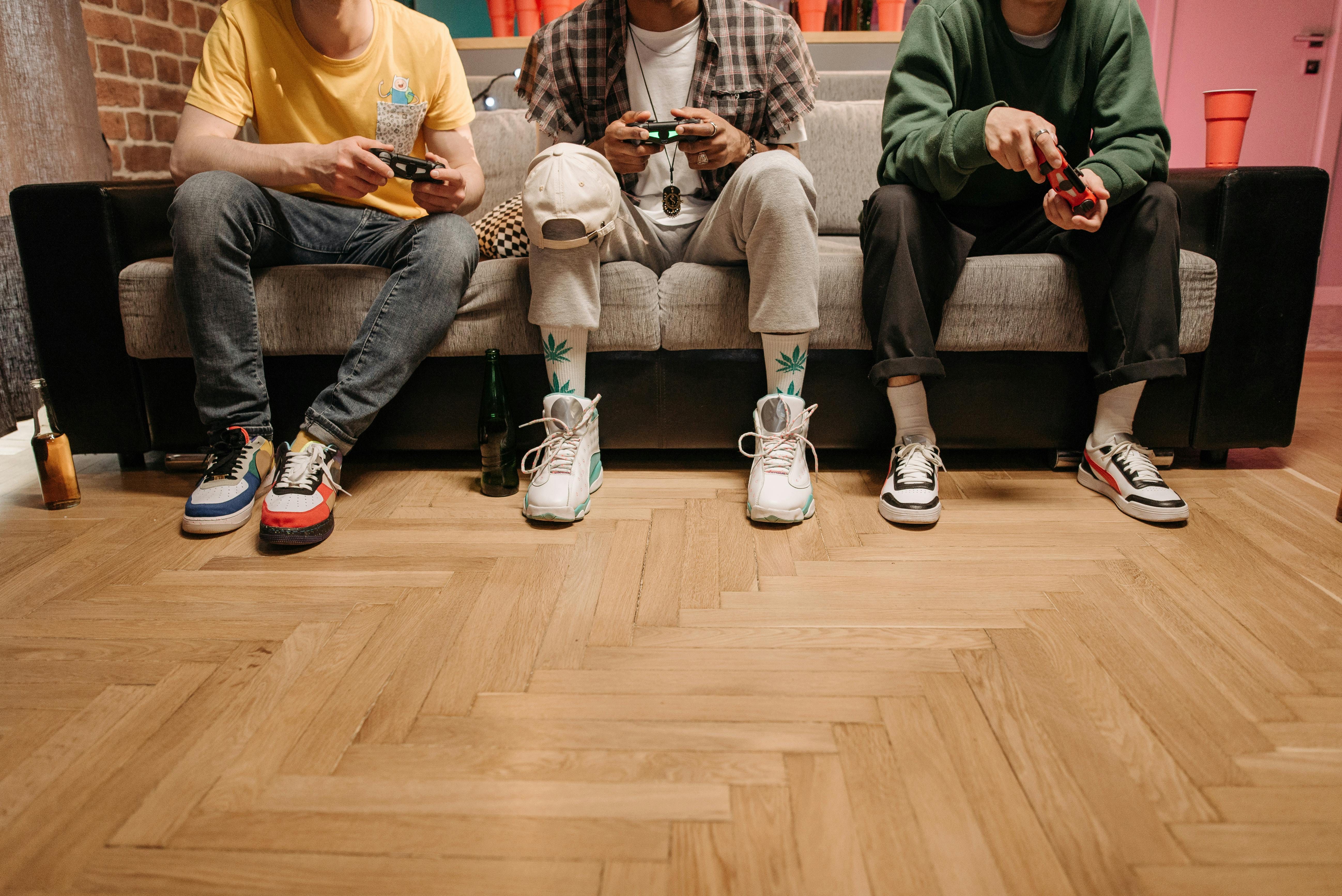
While some cognitive decline is an inevitable part of aging — a problem our sci-fi future has not yet solved — much of it comes from how people, as they grow older, do less to challenge their brain. However, multiple studies have found that playing video games regularly helps stave off this decline. This is not surprising, as games challenge players to learn new systems and strategies in order to succeed at their gaming goals.
As people rely more and more on AI, they are likely to need to challenge their brain less, and it is hard to get people who don’t have a genuine intellectual drive to want to challenge their brains. But games are sort of a cheat code for the reward centers in your brain that make this process fun and often even relaxing rather than like work.
It is critical for our collective cognitive health that society continues to have engrossing and rewarding experiences that can draw people in with promises of an exciting time in order to ensure they continue to get this desperately needed mental exercise. Play will increasingly replace work — but that play will not be a “waste of time.”
Forged by Fire
Humans, in many ways, are shaped by our struggles and adversity. “What does not kill us makes us stronger,” said Nietzsche — before losing his mind because of syphilis that spread to his brain, of course (though perhaps you could argue that, by killing his brain, the man himself was dead.)
As the sci-fi future solves more and more of our problems for us, the opportunities for people to find themselves through challenges will radically shrink. Gaming offers a way to encourage people to rise to challenges without the high stakes of failure potentially ruining their lives. The simulation of a game then becomes a way to unlock an experience that will no longer be forced upon people.
This is essentially the idea pushed by the ending of my novella Xorientation. In a world where no one is forced by circumstance to find self-understanding and build their resilience, we should be creating immersive, simulated ones. We should want people to aspire to be the most complete version of themselves rather than live a wholly unexamined, unchallenged life.
Artificial Scarcity
As artificial intelligence and robotics drive the production cost of most goods to zero, our society will become “post-scarcity” — there will be enough to go around to ensure everyone’s needs are met well. This will affect most corners of the economy with a few exceptions — land, luxury goods, and virtual economies. There’s only so much beachfront property. The status obsessed will still chase intentionally rarer and fancier versions of common goods. And games rely on having virtual economies in order to create incentives and make people feel a sense of reward.
For better or worse, the economies of multiplayer games bleed into the real world. People trade Counter Strike skins. World of Warcraft and Runescape introduced sanctioned ways for people to essentially buy gold. The prices of rare Pokémon cards are driven sky high. Even stuff like leaderboard rankings are, in essence, limited goods, just shaped by a player’s own skill.
Gaming will represent one of the few ways for people in a job-starved world to stand out. Of course, we should hope that this does not matter in a life-or-death sort of way — that the boons of post-scarcity are evenly distributed enough that even the “poorest” people have good lives. However, even in that sort of case, at least some people would have a drive to be known for something that makes them special. It’s a common and natural human drive.
Countering Atomization
People are spending less and less time together in person. A lot of that is born out of convenience — you can now have a video call with someone on the other side of the planet. Nothing can replicate the feeling of being together doing stuff in the real world (at least yet), but there is something to participating in shared worlds that deeply facilitates bonding and connection.
Rather than simply communicate, you can create, conquer, or construct. You can work together in ways that facilitates camaraderie. PvP can inspire good natured rivalry that inspires people to push the limits of their skills, which then facilitates the other benefits like combatting cognitive decline and feeling challenged sometimes — not nearly just comfortable.
In time, virtual reality will hopefully mature enough that it can feel close to the real thing, with so-called “full-dive VR” recreating sensations beyond just sight and sound throughout the entire body.
A Life Well Lived
Lack of material resources prevents a lot of people from living a life that is fulfilling and fun, unable to ever escape the toil and struggle. Removing that pitfall will be the single greatest boons to human welfare in human history. But having every wish fulfilled at your whim does not lead to fulfillment. People crave excitement and shared culture and challenges.
Play replaces work, and games are the key to making play fill all of people’s less tangible needs. The more problems technology solves, the more we will need gaming as the foundation for a life well lived. As absurd as it might sound, games will provide something few will find anywhere else.